Iron Deficiency Anaemia: Signs, Causes and Iron-Rich Foods
Iron deficiency anaemia often causes tiredness, lack of energy, shortness of breath, a pounding heartbeat, pale skin and headaches. It is commonly caused by heavy periods, pregnancy or hidden bleeding. A simple blood test confirms it, and treatment is usually iron tablets plus iron-rich foods once the cause has been found.
- Published
- 2 min read
- By Healthy Primix
- How we write and review content
Key takeaways
- Iron deficiency anaemia is the most common type of anaemia.
- Typical signs: tiredness, shortness of breath, palpitations, paler skin and headaches.
- Finding the cause matters as much as treating it: heavy periods, pregnancy and bleeding in the gut are common causes.
- Tea, coffee and dairy taken with meals can reduce how much iron you absorb.
On this page
What iron deficiency anaemia is
Your body uses iron to make haemoglobin, the part of red blood cells that carries oxygen. Without enough iron, you make fewer healthy red blood cells, and your organs get less oxygen. This is iron deficiency anaemia, the most common type of anaemia.
Signs of iron deficiency anaemia
The NHS lists these common symptoms:
- tiredness and lack of energy
- shortness of breath
- noticeable heartbeats (palpitations)
- paler than usual skin
- headaches
These signs are common to many conditions, so they're a reason to get checked rather than proof of anaemia.
Common causes
| Cause | Notes |
|---|---|
| Heavy periods | A very common cause. Heavy periods can be treated. |
| Pregnancy | Usually from not getting enough iron in the diet. |
| Bleeding in the stomach or gut | For example from long-term NSAID painkillers (such as ibuprofen or aspirin), stomach ulcers, inflammation or piles. Less often from bowel or stomach cancer. |
| Diet low in iron | Can contribute, especially alongside other causes. |
Because hidden bleeding is a possible cause, unexplained iron deficiency anaemia always needs to be investigated by a doctor.
How it's diagnosed
A doctor will ask about your health and lifestyle and usually arrange a full blood count. If the cause isn't clear, you may have further tests, such as a stool test for hidden blood, or be referred to a specialist.
How it's treated
- Treat the cause, such as heavy periods or an ulcer.
- Iron tablets, usually for about 6 months. Take them as your doctor advises. Taking them with or soon after food can reduce side effects such as constipation, stomach pain or nausea, and they often make stools darker.
- Repeat blood tests to check that your levels are recovering.
Safety: keep iron tablets out of reach of children. An iron overdose can be fatal for a young child.
Iron-rich foods
The NHS suggests eating more:
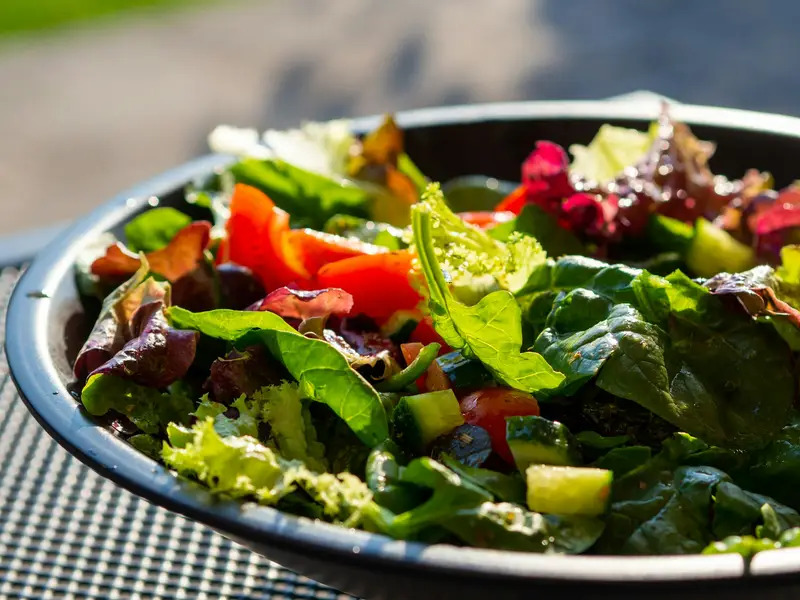
- dark-green leafy vegetables, such as watercress and curly kale
- iron-fortified cereals and bread
- meat
- dried fruit, such as apricots, prunes and raisins
- pulses: beans, peas and lentils
What can reduce iron absorption
Large amounts of tea, coffee, milk and dairy, and foods high in phytic acid such as wholegrain cereals, can make it harder to absorb iron from food and tablets. Try having tea or coffee between meals rather than with them.
When to see a doctor
See a doctor if you think you might have iron deficiency anaemia. Left untreated, it can make you more prone to infections, increase the risk of heart and lung complications, and raise the risk of complications around pregnancy and birth.
Common questions
How long do iron tablets take to work?
Treatment usually lasts about 6 months, according to the NHS, with repeat blood tests to check that levels are returning to normal. Keep taking them as advised even if you start to feel better.
Does vitamin C help iron absorption?
The NHS notes that drinking orange juice after taking an iron tablet may help your body absorb the iron.