
Walking for Health: How to Make Every Walk Count
Brisk walking, at about 3 miles (5 km) an hour, counts as moderate exercise. A brisk 10-minute walk every day already brings health benefits and counts towards the 150 minutes a week adults are advised to do. You're walking briskly if you can still talk but can't sing.
- Published
- 2 min read
- By Healthy Primix
- How we write and review content
Key takeaways
- A brisk walk is about 3 mph (5 km/h): faster than a stroll, and you can talk but not sing.
- Even 10 brisk minutes a day counts towards the weekly 150-minute target.
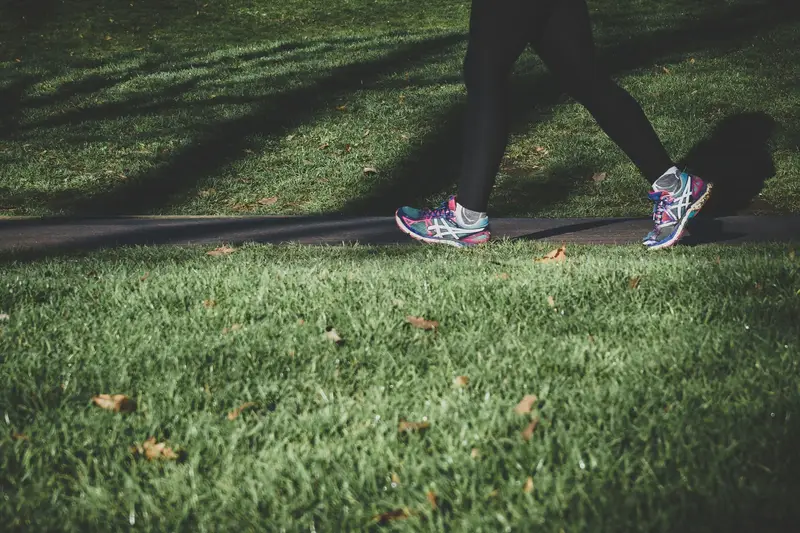
- Comfortable, supportive shoes are all you need to start.
- Building walking into daily routines is the easiest way to keep it up.
On this page
Why walking works
Walking is free, needs no equipment, and is something most people can do. Walking briskly builds stamina, burns energy and is good for your heart. It is often overlooked because it feels so ordinary.
You don't need to walk for hours. The NHS notes that a brisk 10-minute daily walk has lots of health benefits and counts towards the 150 minutes of weekly activity recommended for adults.
How fast is "brisk"?
A brisk walk is about 3 miles an hour (roughly 5 km/h), faster than a stroll. The simplest test: you can still talk, but you can't sing the words to a song. If you can sing, speed up a little. If you can't talk, ease off.
Getting started
- Shoes: any comfortable, supportive shoes or trainers that don't cause blisters.
- Start where you are: if you're not very active, increase distance gradually from week to week.
- For longer walks: take water, a snack, a spare layer and sun protection.
- If your joints hurt: water-based exercise classes support your joints while you move.
Turn walking into a habit
The easiest way to walk more is to make it part of your day, not an extra task:
- walk part of your journey to work or school
- walk to nearby shops instead of driving
- take the stairs instead of the lift
- take a regular walk with a friend or family member
- stroll after dinner
- take phone calls on foot
Keep it interesting
- Listen to music or a podcast. It can take your mind off the effort and help you keep a rhythm.
- Change your route: parks, riverside paths and heritage trails make walks more enjoyable.
- Join a walking group to stay motivated and meet people.
- Track your walks with a phone app or pedometer to see your progress.
Add some strength
Walking covers the aerobic part of the guidelines. For balanced fitness, add muscle-strengthening activity on 2 days a week. See how much exercise adults need for ideas.
When to check with a doctor
Talk to a doctor before increasing your activity if you have chest pain, breathlessness, dizziness, a heart condition or other health concerns. Stop and get medical help if you have chest pain while walking.
Common questions
How many steps a day should I walk?
The official guidelines are based on minutes of activity and intensity rather than a set number of steps. Aim for brisk walking that adds up to at least 150 minutes a week, and walk more if you can.
Is walking enough exercise on its own?
Brisk walking can meet the aerobic part of the guidelines. Adults are also advised to do muscle-strengthening activities on at least 2 days a week.