Signs of High Blood Sugar and When to Get Tested
Common signs of high blood sugar include feeling very thirsty, peeing a lot, tiredness, blurred vision and losing weight without trying. But type 2 diabetes often develops slowly with few or no symptoms, so a simple blood test is the reliable way to know.
- Published
- 3 min read
- By Healthy Primix
- How we write and review content
Key takeaways
- Classic signs are thirst, frequent urination, tiredness, blurred vision and unexplained weight loss.
- Type 2 diabetes symptoms can take years to appear, and some people notice none, so testing matters.
- An HbA1c blood test shows your average blood sugar over the past 2–3 months.
- CDC thresholds for HbA1c: below 5.7% normal, 5.7–6.4% prediabetes, 6.5% or above diabetes.
On this page
What "high blood sugar" means
Blood sugar (blood glucose) is the main sugar in your blood and your body's main source of energy. The hormone insulin helps move it into your cells. When the body doesn't make enough insulin, or can't use it well, glucose builds up in the blood. Persistently high blood sugar is the hallmark of diabetes.
Common signs of high blood sugar
Both the CDC and the NHS list similar symptoms:
- feeling very thirsty
- peeing a lot, often at night
- feeling tired or weak
- blurred vision
- losing weight without trying
- feeling hungrier than usual
- frequent infections, such as urinary tract or yeast infections
The CDC adds some signs that are more common in type 2 diabetes:
- cuts, sores or wounds that are very slow to heal
- dark patches of skin around the neck, armpits or groin
- numbness or tingling in the hands or feet
Why many people don't notice anything
Symptoms of high blood sugar usually come on gradually and may only appear when levels get very high. The CDC notes that type 2 diabetes symptoms often take several years to develop, and some people never notice any. That is why waiting for symptoms is not a reliable way to find out.
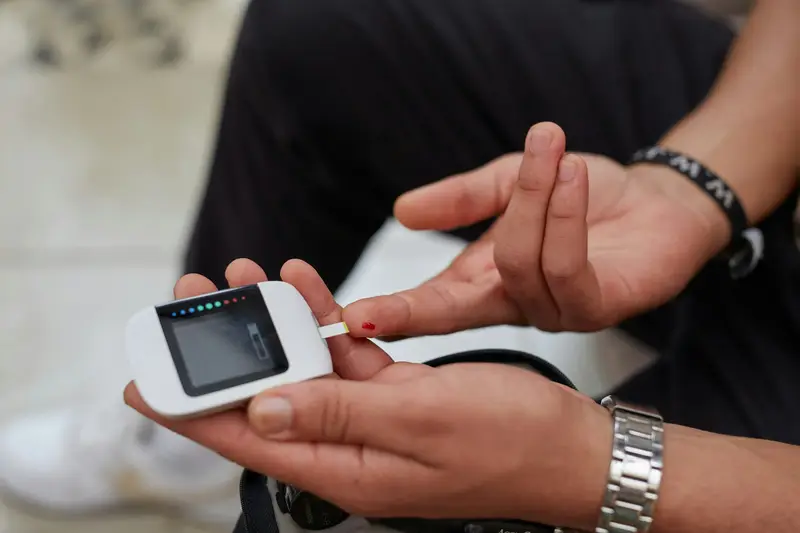
How blood sugar is tested
| Test | What it shows | Diabetes threshold |
|---|---|---|
| HbA1c (A1C) | Average blood sugar over the past 2–3 months. No fasting needed. | 6.5% or above (48 mmol/mol or above) |
| Fasting glucose | Blood sugar after not eating for several hours. | Over 7 mmol/L (NHS guide) |
The CDC uses these HbA1c ranges:
| HbA1c | Result |
|---|---|
| Below 5.7% | Normal |
| 5.7% to 6.4% | Prediabetes |
| 6.5% or above | Diabetes |
Results should always be interpreted by a health professional, often with a repeat test. Need to convert between units? Use our health unit converter.
Who should consider getting tested
Talk to a doctor about a blood sugar test if you have any of the symptoms above, or if you have risk factors for type 2 diabetes. The CDC lists these, among others:
- having overweight or obesity
- being aged 45 or older
- having a parent or sibling with type 2 diabetes
- being physically active less than 3 times a week
- having had diabetes in pregnancy (gestational diabetes)
- already having prediabetes
Your doctor can advise when and how often to test based on your age and risk.
What you can do now
Lifestyle habits that support healthy blood sugar include staying active, choosing fewer sugary drinks and refined starchy foods, keeping a healthy weight, and managing stress and sleep. If you have already been diagnosed with diabetes, follow your care team's advice and never change or skip diabetes medicine without speaking to them first.
When to get help
- See a doctor if you have symptoms of high blood sugar and haven't been diagnosed with diabetes.
- If you have diabetes, contact your care team if your levels stay high despite following your plan.
- Get urgent help for stomach pain, being sick, deep breathing, fruity-smelling breath, or sleepiness or confusion alongside high blood sugar.
Watch: the short version
PreventionShort
3 Silent Signs Your Sugar Is High (No Pain, No Warning)
Watch on YouTube (opens in a new tab)Common questions
Can you have high blood sugar without symptoms?
Yes. The CDC notes that type 1 and type 2 diabetes can both start with few or no symptoms, and that type 2 symptoms often take several years to develop. Some people notice nothing at all.
What is a normal HbA1c?
According to the CDC, an HbA1c below 5.7% is normal, 5.7% to 6.4% indicates prediabetes, and 6.5% or above indicates diabetes. In mmol/mol, 6.5% is about 48 mmol/mol. A diagnosis should always be made by a health professional.
Sources
- Symptoms of Diabetes (opens in a new tab) — Centers for Disease Control and Prevention (CDC)
- A1C Test for Diabetes and Prediabetes (opens in a new tab) — Centers for Disease Control and Prevention (CDC)
- High blood sugar (hyperglycaemia) (opens in a new tab) — NHS
- Diabetes Risk Factors (opens in a new tab) — Centers for Disease Control and Prevention (CDC)
- Diabetic ketoacidosis (opens in a new tab) — NHS
- Symptoms & Causes of Diabetes (opens in a new tab) — National Institute of Diabetes and Digestive and Kidney Diseases (NIDDK)